Homebirth Midwifery Care
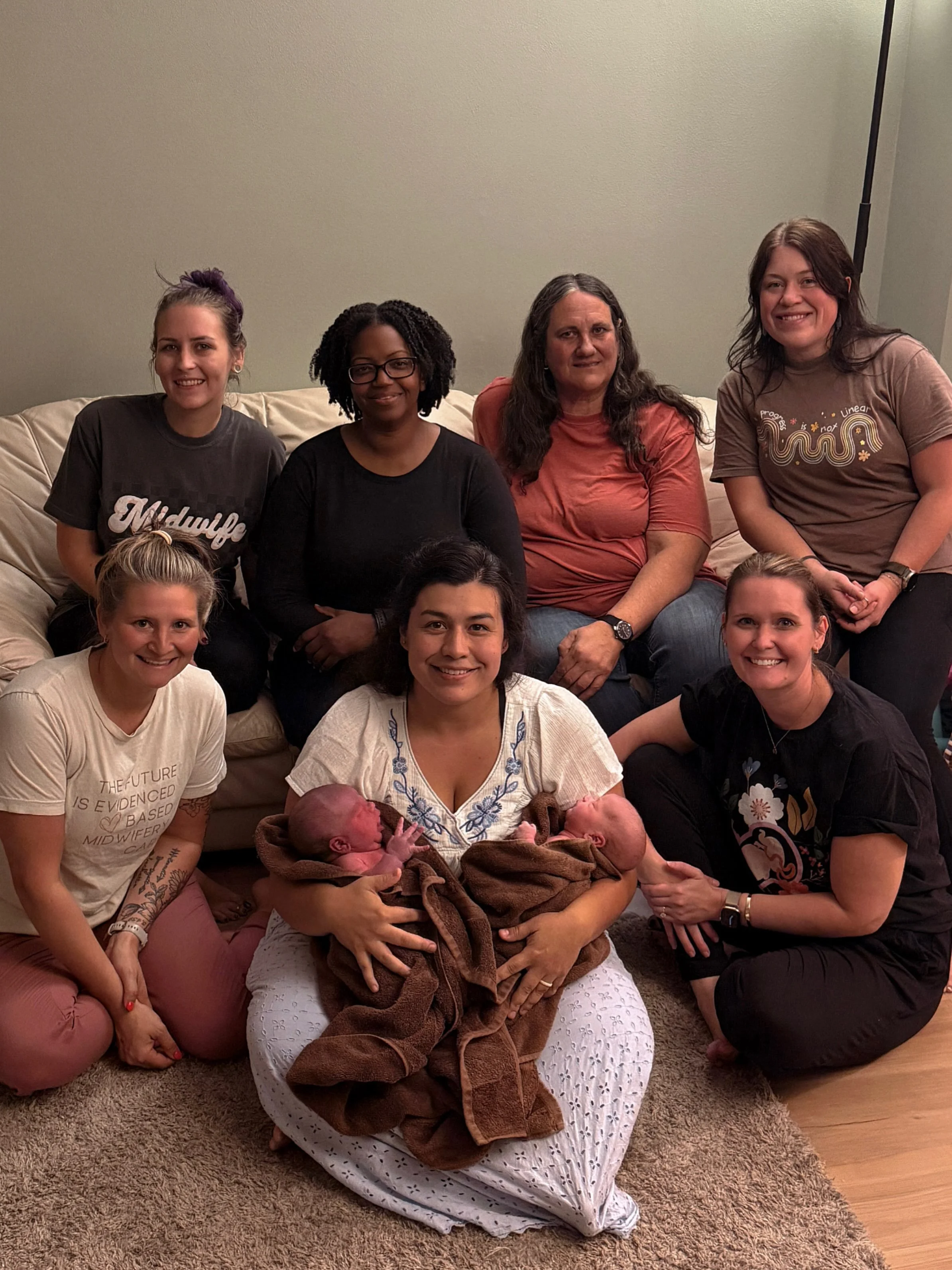
Licensed Midwives in the state of WI are trained medical practitioners that provide comprehensive midwifery care throughout preconception, pregnancy and birth - through six weeks postpartum. Midwives care for low risk women and babies, providing longer, personalized visits and more individualized care than their high-risk, high-volume obstetrical colleagues. Think of midwives as experts in low-risk care, viewing pregnancy as a normal physiological event that sometimes requires a gentle guidance or skilled intervention to safeguard the health of the mother-baby dyad. We use our hands through skills like palpation to determine the size, position, and attitude of your baby. Our ears and eyes are trained to notice minute details from visit to visit, and our intuition and educational background guides our decision making. Midwives are trained to screen and monitor for symptoms and high risk situations in a timely manner and seek higher level of care when necessary, which keeps low risk birth safe and provides for excellent outcomes. Midwifery care is highly sought after for its ability to provide a calm, informed, and supportive birth environment and experience, in the comfort of your own home. All appointments are in our home office in West Allis near Hwy 100 & National Avenue. Some predetermined appointments will be in your home.
Prenatal Care -
Initial prenatal visit in office including comprehensive lab testing, genetic screening, health and obstetrical history intake, informed consents and document review, initial physical assessment, fetal heart tone monitoring of baby. Dietary and lifestyle intake and recommendations to support a healthy and functional pregnancy. Any family is welcome at any visit with ample space for little ones to play about nearby.
Routine, 45-60 minute prenatal visits every 4-5 weeks until 28 weeks, every 2 weeks until 36 weeks, and weekly until the birth of your baby.
Access to your midwife through bi-weekly office hours via phone call and email for non urgent questions that need addressing between appointment times
24/7 access to your midwife for urgent or emergent needs - bleeding, decreased fetal movement, fevers, extreme pain and other critical warning signs
24/7 access to our midwife On-Call line through the Gennisi collective, in the rare event that. you cannot reach your midwife. A midwife ready to assist you at all times
Informed consent conversations and options surrounding every available resource or test offered to you.
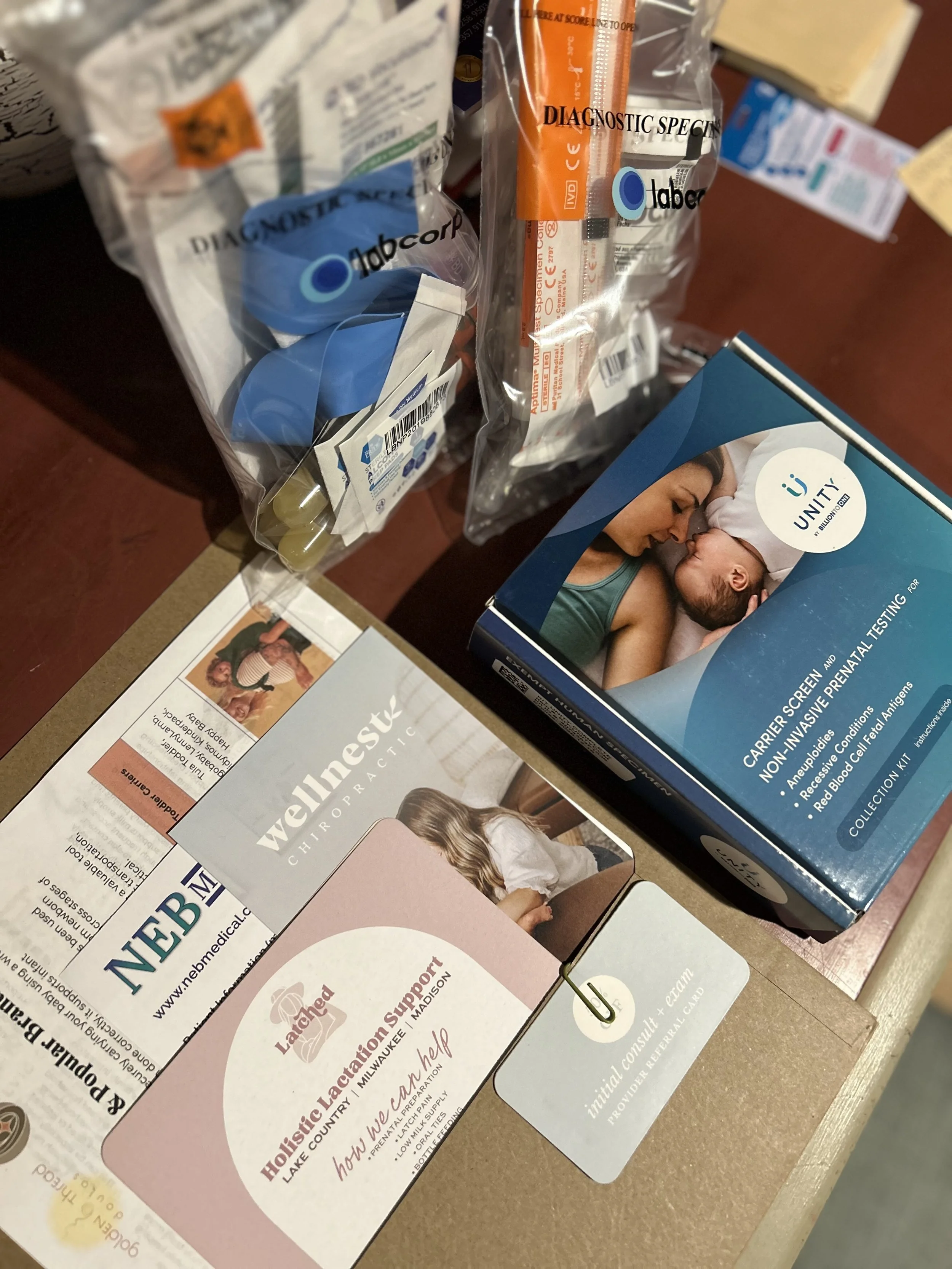
In office lab draws as standard of care, or you may be seen at any of our LabCorp draw centers for access closer to your home.
Diagnostic ultrasound offered between 18-22 weeks
Gestational diabetes screening options like The Fresh Test and other informed choice or declination options.
36-week home visit to get a lay of the land and your birth vision, develop our emergency plan, and review scenarios like shoulder dystocia, hemorrhage, and neonatal resuscitation
Heavy emphasis on nutrition and physical exercise throughout pregnancy to promote healthy development of pregnancy and smooth labor and postpartum.
Referrals to our large network of providers for doula support, childbirth educators, IBCLC, mental health counselors, acupuncture, prenatal yoga, chiropractic care, and so much more.
Shared partnerships with MDI, MH Imaging, Seedling Diagnostic, Unity Testing, LabCorp, Aurora Sinai providers, and more, for access and continuity of care.
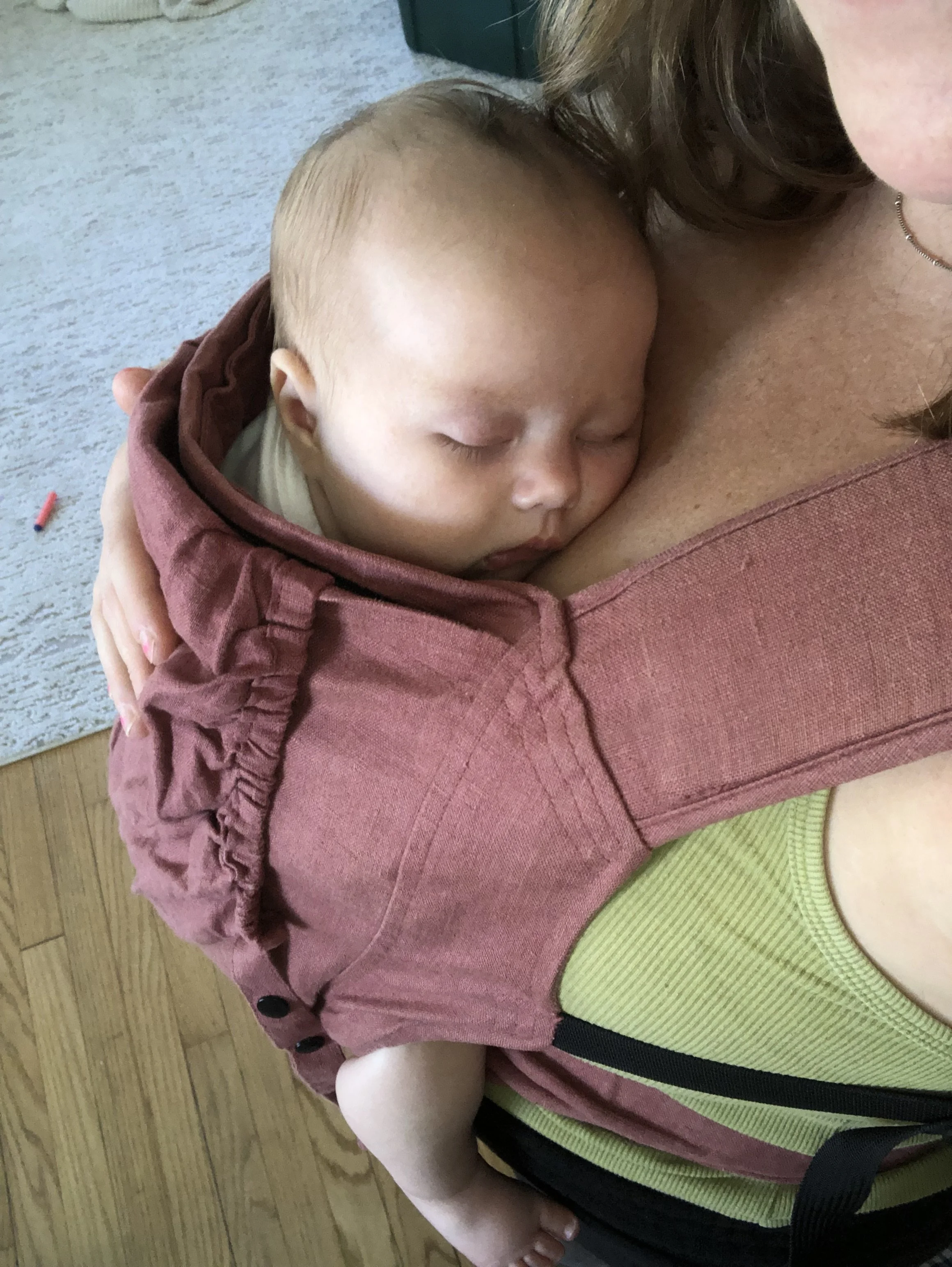
Access to our Lending Library rich with books about pregnancy, labor and postpartum, as well as free 2-week rentals of any of the baby carriers from our baby-carrier lending library.
Labor Support -
On Call 24/7 for birth starting at 37 weeks to your primary midwife and the On-Call Gennisi line for peace of mind
Earthside birth pool rental provided around 36-37 weeks for hydrotherapy and water birth for every client. No “inclusion criteria” necessary.
Phone support and labor triage in early labor
In person support during active labor, including comfort techniques, monitoring maternal and fetal vital signs, helping prepare space for the birth.
Standard of care intermittent monitoring of fetal heart tones via our waterproof handheld dopplers.
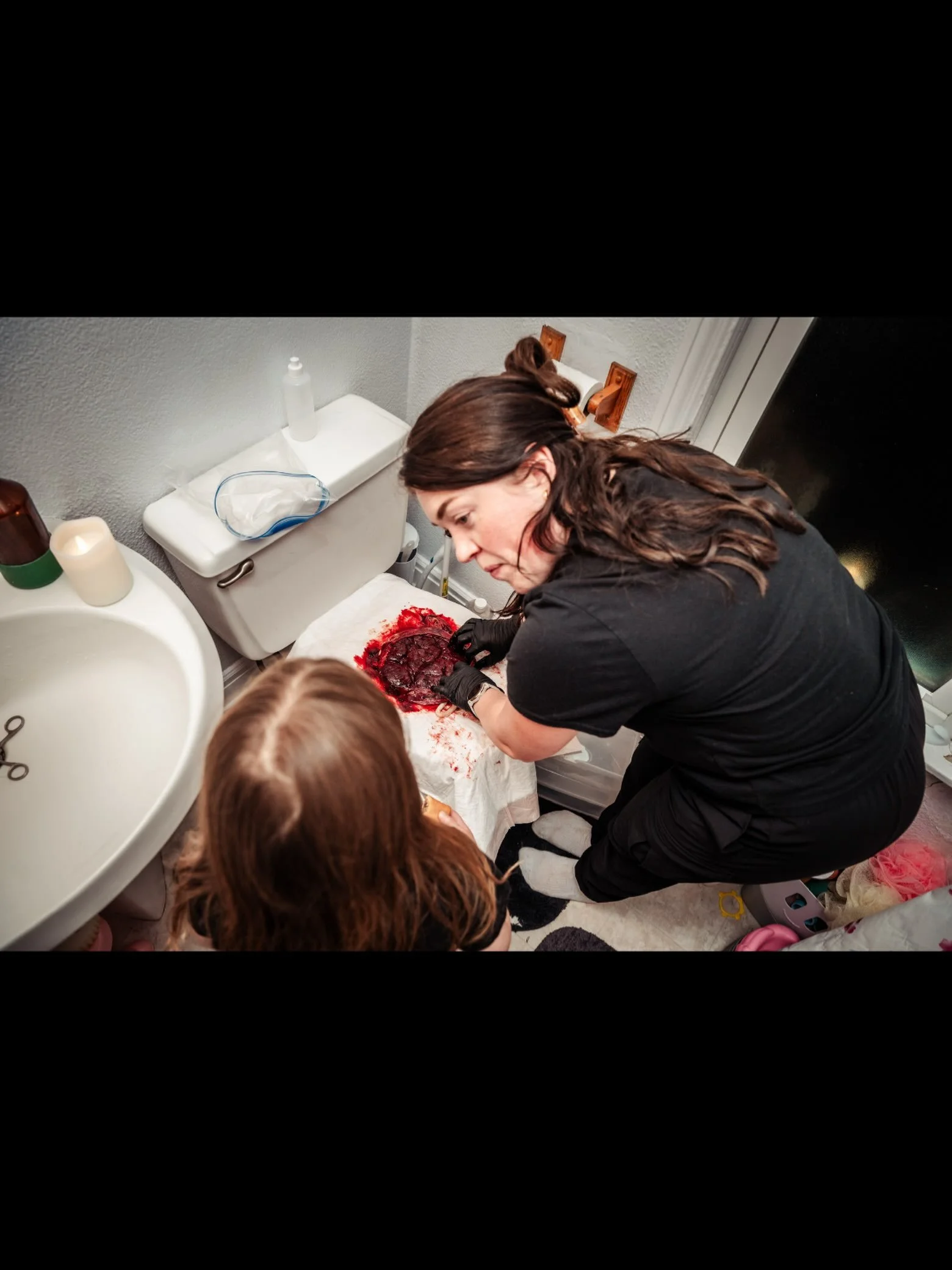
Assisting with birth and immediate postpartum including monitoring maternal and newborn vitals until stable.
Trained for obstetrical emergencies with neonatal resuscitation training, emergency equipment, anti-hemorrhagic medications
Facilitation of the “golden hour” after birth to promote bonding and initiation of breast feeding
Full newborn physical exam after birth including weight and measurements. Vitamin K injection and erythromycin eye ointment offered.
Perineal/vaginal repair when indicated with topical and injectable lidocaine and suturing.
Collaboration with hospital based midwives and OB/GYN providers for smooth continuity of care in the event where a tool or further support is needed
Records faxed to family practice or pediatrician of your choosing
Postpartum Support -
Postpartum visits are similar in length and occur at 24-48 hours post birth, 1-3 weeks, 4 and 6 weeks, to ensure the transition with a new baby is going well and all needs are tended to.
24/7 phone access for postpartum emergencies - PMADs, hemorrhage, infection, etc
Office hour midwife availability for any number of postpartum questions and concerns
Education on healing from childbirth, transition to life with a newborn, cord care, basic newborn feeding, education on appropriate diaper output and postpartum care
Referrals may be recommended for lactation or pelvic floor physical therapy support.
Standard State of Wisconsin newborn screenings: newborn metabolic screening, CCHD (critical congenital heart defect) screening, and newborn hearing screening
Hearing Screen referral to HEAR Wisconsin
Filing of Wisconsin Birth Certificate and Social Security card
Primary provider of mother and baby until 6 weeks postpartum
Follow-up labs offered at 6 week office visit, if desired or clinically indicated
Records faxed and collaboration with your primary care physician or pediatrician of choosing
Imprint Birth partners with Best Way Medical Billing to allow clients to verify insurance coverage with a VOB (verification of benefits), and bill for services rendered if there is out of network insurance coverage. All payments to your midwife are due at the time of service via cash, Venmo, Zelle, or check. Insurance claims will be billed after care is provided. Imprint Birth is not a WI Medicaid provider, and does not file claims with ForwardHealth insurance plans. Each individual may be reimbursed depending on your insurance company, plan, and deductible. Health Share companies like Zion and Knew Health offer reimbursement for Midwifery Care, and we accept HSA/FSA accounts as well.
Investment: A word about fees…
I aim to provide slow, connected, complete care for your family during this time. To this end, I take less clients and ask a sustainable fee. I ask you to consider the idea of sacrifice versus hardship when examining your access to my care. If paying my fee would be difficult but not detrimental, it could qualify as a sacrifice. You might have to cut back on other spending or get creative, but this will probably not have a long-term, harmful impact on your life.
I have found that it is a worthy sacrifice to access care that is congruent with your values.
If, however, paying my fee would lead to a harmful impact on your life, such as not being able to put food on the table, pay rent, or pay for your transportation to work, then you are dealing with hardship. If you are truly coming from a space of hardship, please reach out to discuss options. I believe that all people should have access to midwifery care, and asking a sustainable fee of the many, allows me to freely serve the few.
[Words borrowed from a fellow midwife colleague - Angela Huntstiger]

Midwifery Collaborative Care - Prenatal and Postpartum Care Only
The same supportive prenatal and postpartum care visits at regular intervals, with collaboration from the hospital based provider of your choosing. Research shows that the midwifery care model provides the most holistic and satisfactory experience for women during the childbearing years. For a multitude of reasons, some women may not want to or be eligible to birth at home due to preexisting conditions, obstetrical history or personal choice.
I believe these women still deserve the wholistic mind and body support of a midwife. In this model of care, you choose hospital birth as your ultimate plan of care when labor begins, but work with a midwife throughout your prenatal care and postpartum care. Typical visit lengths are 30 mins - 1 hour. Records will be faxed at regular intervals throughout care to your hospital based provider. Labs and ultrasounds can be ordered through your hospital of choice, or from any of our trusted community partnerships below.
Postpartum care visits follow the same midwifery model of care at 24-48 hours, 1-3 weeks, 4, and 6 weeks, some of which are in your home.
Watch this Video for more information about collaborative care

Vaginal Birth After Cesarean (VBAC) Births and Guidelines
Carrying a pregnancy after a cesarean birth requires careful review of history and ongoing risk assessment. My calling has always included supporting VBAC and VBA2C births when clinically appropriate. At Imprint Birth, we weave together evidence based care, careful review of previous surgical reports and records, as well as honoring your right to choose the setting in which you give birth.
Though many women are appropriate candidates for VBAC, there are specific risks involved. The main risk is uterine rupture, which is very low risk, but can be catastrophic if it does occur. Other risks include uterine scar dehiscence, increased risk of hemorrhage, fetal intolerance to labor, infection, and repeat need for or emergent transfer for cesarean. There is also a higher likelihood of transfer in labor compared to those who have not had a prior cesarean section. By agreeing to work together, you carefully consider and accept these risks, which allows for proper planning and shared decision making.
Clients will be asked to consult with and work with pelvic floor PT
Clients will be asked to commit to chiropractic care throughout pregnancy
Ultrasound monitoring will be recommended for assessment of placenta location and scar integrity, with knowledge that no ultrasound can detect or determine which scars will rupture and which will not
Maintain regular aerobic exercise and attention to a whole-food, high protein diet
Maintain prenatal care
Consult with an OB during care for smooth collaboration of care
Clinical Sneak Peek Testing
Imprint Birth is a Registered Sneak Peak Provider. Fetal sex can be determined by a simple, in office venous blood draw as early as 6 weeks pregnant. Turn around time is about 2-3 days.
Fee: $159
Babywearing Education
This hands-on session is designed to help you feel confident and comfortable with babywearing. Whether you’re brand new or looking to fine-tune your fit, we’ll explore different carrier types (wraps, ring slings, soft structured carriers, etc.) and find what works best for your body, lifestyle, and baby’s stage. You’ll get guidance on safety, positioning, and troubleshooting common issues. This session can be done virtually or in person, with in-person visits offering the chance to try on and compare a variety of carriers from my demo collection.
I have a variety of carriers for demo and instruction on their use. Some include Solly Wrap, Artioppe Zeitgeist, Wildbird ring sling, Happy Baby, Tula, Kinderpack, Ombuhimo, Lilebaby, and Hope and Plum. Carriers are not for rental for non-established clients.
In Home: $150
Virtual: $99